Do Photographers Direct Poses? What to Expect
A camera can feel surprisingly loud when you do not know what to do with your hands. You may love the idea of honest, unguarded photographs, yet still hope that someone will tell you where to stand, how to settle your shoulders, and whether that nervous smile looks natural. So, do photographers direct poses? The answer is yes - but the most meaningful direction rarely feels like posing.
At its best, photography guidance is a quiet collaboration. It gives you enough structure to look polished and feel at ease, while leaving room for the gestures, laughter, glances, and emotion that belong only to you. The result is not a collection of stiff instructions. It is a visual record of a moment that felt deeply lived.
Do Photographers Direct Poses During a Session?
Most experienced portrait and wedding photographers do direct poses, especially at the beginning of a session and during any formal portrait time. Direction is part of caring for the final image. A photographer considers light, background, body angles, clothing, and the relationship between the people in the frame. Without a little guidance, even the most beautiful setting can produce portraits that feel awkward or disconnected.
The difference lies in the approach. A photographer may begin by placing you in flattering light, adjusting the fall of a dress, asking you to turn slightly toward your partner, or suggesting where your hands can rest. From there, the direction often becomes more natural: walk slowly together, lean in, tell each other what you remember from your first date, or simply take a breath and look at one another.
Those small prompts create movement and give your attention somewhere else to go. Rather than thinking about the camera, you begin responding to the person beside you. This is where candid feeling and refined portraiture meet.
Posing Is Not the Same as Looking Posed
A polished photograph usually has intention behind it. The relaxed hand, the soft curve of a shoulder, the space between two people, and the way a face catches the light are all details that shape how an image feels. Yet intention does not have to produce perfection at the expense of personality.
A good photographer will not expect you to arrive knowing your best angles or how to create a magazine-worthy stance on command. That is their work. You do not need to perform. You only need to be present.
For couples, this may mean starting with a classic portrait that honors the occasion, then allowing the moment to loosen. Your photographer might guide you into a close embrace, then step back as you laugh at a private comment. For a family, it may mean arranging everyone briefly, then inviting the children to come close, play, or settle into a parent’s arms. With newborns, safety and comfort always lead the session, while gentle positioning preserves the tenderness of those first days.
The most natural-looking photographs are often carefully guided in ways you never notice when you see the finished image.
The first few minutes may feel the most directed
It is common to feel self-conscious at the start. Your photographer may offer more specific instruction during those first minutes because it helps you settle in quickly. Once you understand the rhythm, there is usually less need for exact direction.
This is also why there is no prize for being “good at photos.” Even people who feel uneasy in front of a camera tend to relax when they realize they will not be left alone to guess what to do. Calm, clear guidance creates trust. Trust makes space for authenticity.
What Gentle Direction Can Look Like
Direction should feel personal, never mechanical. It responds to your energy, your relationship, your clothing, and the story you are there to preserve.
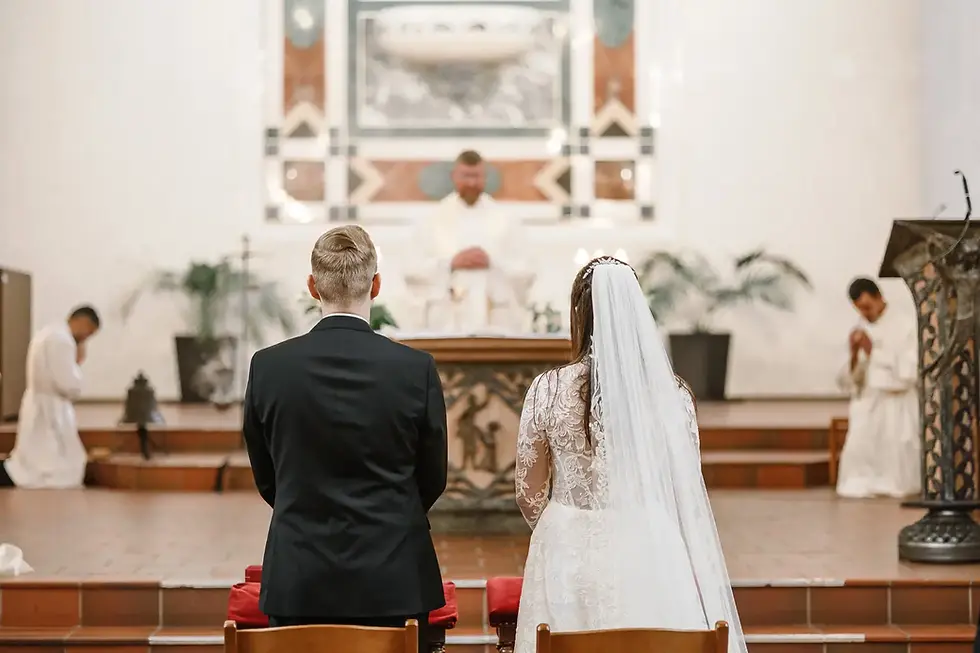
During an engagement session, you may be asked to stand close enough that you can feel each other breathe, then to walk together without looking at the camera. At a wedding, a photographer may guide family formals efficiently, then quietly observe as a parent adjusts a veil or friends gather around during a pause in the day. For personal branding portraits, direction may be more deliberate, helping you create images that feel confident and capable without becoming overly corporate.
There are moments when more formal posing serves the story beautifully. A portrait of a bride in her gown, an expectant parent in window light, or a multigenerational family gathered together deserves careful attention. These photographs can become the ones framed in a hallway, placed in an album, or passed down years from now.
Then there are moments that should not be interrupted. A tear during vows, a child’s spontaneous hug, the glance exchanged across a dinner table - these call for observation rather than instruction. The art is knowing when to guide and when to let life unfold.
Why Direction Matters for Heirloom-Quality Images
Photographs are not only for the moment you post or share them. They become part of the atmosphere of a home and the record of a family’s history. When an image is destined for an album or a place on the wall, thoughtful composition matters.
Guidance helps create images that hold their beauty over time. A simple turn toward the light can bring softness to a portrait. A small adjustment in posture can make a group feel connected rather than crowded. Encouraging a couple to slow down can transform a hurried portrait into something intimate and enduring.
This does not mean every photograph needs to be formal. Quite the opposite. The images people return to are often full of movement and tenderness. But the feeling of ease is supported by a photographer who has already considered the visual details.
At Moonrock Photography, the goal is never to turn your story into someone else’s idea of perfection. It is to give you a calm, beautifully guided experience so the photographs feel like you - only seen with a little more softness, light, and care.
How to Feel More Comfortable Before Your Session
The easiest preparation is to release the expectation that you must know how to pose. Tell your photographer if you feel nervous, if there is a side you prefer, if a certain kind of portrait matters to you, or if you are hoping for more candid images than traditional ones. This is useful information, not vanity.
Choose clothing that lets you move and breathe. When you feel physically comfortable, your expressions and posture usually follow. For couples and families, think less about matching perfectly and more about choosing colors and textures that belong together. Movement in fabric, gentle layers, and clothing that feels true to your style often photograph with a sense of ease.
It also helps to arrive with a little margin in your schedule. Rushing into a session can make anyone feel tense. A few quiet minutes to settle in, take in the location, and meet the rhythm of the shoot can change the experience entirely.
Let the camera see connection, not performance
If you are photographed with someone you love, bring your attention back to them whenever you can. Hold their hand. Listen when they speak. Let yourself laugh if the direction feels a little silly. The warmest images are rarely made through stillness alone. They are made through real response.
For solo portraits, think of the session as a space to inhabit rather than a test to pass. You can pause, reset, ask for more guidance, and take your time. A photographer’s direction should support your confidence, not ask you to become a different person.
The Right Balance Is Personal
Some clients want clear, continuous coaching. Others prefer a light touch and more room to move. A thoughtful photographer adjusts accordingly. A lively family with young children needs a different pace than a quiet maternity session. A grand wedding party may need efficient structure, while a destination elopement may invite a slower, more observational approach.
The best question is not whether a photographer directs poses, but whether their direction will help you feel cared for. Look for someone who can offer clarity without pressure, who notices small details without making the experience feel overly controlled, and who understands that elegance is not the absence of emotion.
When you feel supported, you stop worrying about where your hands belong. You reach for the people you love, settle into the light, and allow the moment to become yours. That is where photographs become more than beautiful images - they become cherished pieces of your life, ready to be held onto for years to come.


Comments