
Photo Wall Art That Feels Like Home
- Monica Rock
- 6 days ago
- 5 min read
A photograph deserves more than a brief appearance on a screen. The right photo wall art gives the people and moments you love a place in the rhythm of daily life: a small hand resting on a new baby’s head, the laughter just after your wedding vows, the familiar look shared across a family table.
When images are thoughtfully printed and placed, they become part of a home’s atmosphere. They welcome you in, soften a hallway, and quietly remind you of a season that mattered. This is not about covering every empty wall. It is about choosing a few pieces that feel deeply yours and giving them the presence they deserve.
Begin with the feeling you want to return to
The most successful wall art is rarely built from a collection of technically perfect photographs alone. It begins with emotion. Before considering frames or measurements, ask what you hope to feel when you see the piece each day.
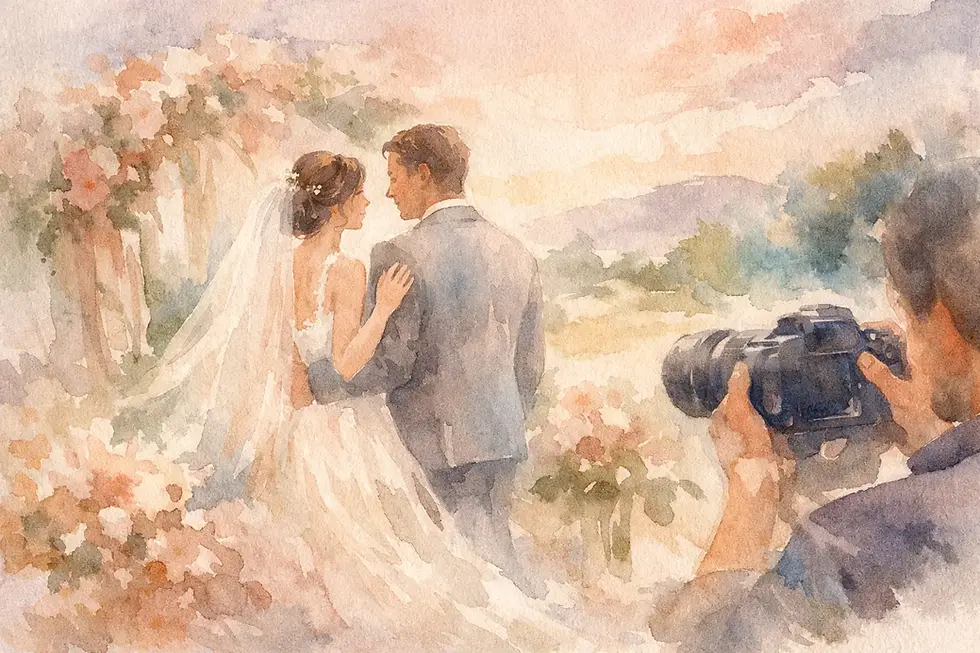
A wedding portrait in a bedroom may call for calm intimacy rather than the grandeur of the celebration. In a living room, an image filled with movement and laughter can bring warmth to a shared space. For a nursery, a quiet newborn portrait or a close-up of tiny details can hold the tenderness of those early, fast-changing days.
Choose photographs that tell the truth of your relationship, not only the highlight-reel version of it. A windswept veil, a child’s serious expression, a parent looking down with unmistakable love - these are often the images that deepen with time. They carry the subtle interactions that can be felt long after the day itself has passed.
Choose photo wall art with the room in mind
A beautiful image can feel even more striking when its scale and finish are considered alongside the room. Wall art should not compete with your home. It should feel as though it has always belonged there.
Let the wall determine the scale
One of the most common mistakes is choosing artwork that is too small. A single print above a sofa, bed, or console needs enough visual presence to anchor the furniture beneath it. As a general guide, artwork above furniture often looks balanced when it spans about two-thirds to three-quarters of the furniture’s width.
This does not mean every wall needs one oversized statement piece. A narrow hallway may be better served by a vertical portrait, while a staircase can hold a considered sequence of connected images. The question is not simply, “What size can fit?” It is, “What size lets this memory be seen?”
If you are uncertain, use painter’s tape or sheets of paper to mark the dimensions on the wall. Live with the outline for a day or two. Notice it from the doorway, from where you sit, and in changing light. That small pause can make the final decision feel much more assured.
Match the image to the light
Light changes photographs, especially in rooms with strong sun. A luminous, airy portrait may feel beautiful near a bright window, while a more dramatic image can bring depth to a quieter corner. Consider where glare may fall throughout the day and whether the wall is viewed mostly in daylight or evening lamplight.
The colors already present in your home matter, too. You do not need to match every shade exactly. In fact, the most timeless pieces often complement a room rather than blending into it. A soft black-and-white portrait can bring calm to a colorful space. A warm-toned wedding image can make a minimal room feel more lived in.
Consider the story between pieces
A gallery wall can be lovely when it feels collected rather than crowded. Give the images a shared thread: a single family session, a wedding weekend, a favorite journey, or portraits made across different chapters of a family’s life.
Variation is welcome, but consistency creates ease. You might keep frames in one finish while mixing close portraits with wider scenes, or choose a consistent palette across images from different occasions. Leave breathing room between pieces. The space around each photograph is part of the composition.
Selecting images that will last beyond the moment
A photograph chosen for wall art should have emotional staying power. It should still draw you in after the novelty of the session or celebration has settled. This is why the image you initially expect to print is not always the one you ultimately choose.
During a viewing appointment, look beyond the obvious favorites. Pay attention to the images that make you pause. Perhaps it is the portrait where everyone is not looking at the camera, but the connection is unmistakable. Perhaps it is the quiet image from the edge of the dance floor, or the one where your child is completely themselves.
For large-scale art, simplicity often helps. A strong portrait with gentle negative space, a clean horizon, or a clear moment of connection can remain compelling from across the room. More detailed storytelling images may be especially beautiful in an album, in a framed pair, or within a gallery arrangement where viewers can step closer.
It also helps to think beyond what is fashionable now. Trend-led editing, elaborate frame styles, and highly staged compositions can be wonderful when they genuinely reflect your taste. Still, there is a reason refined portraiture endures: sincere expression, beautiful light, and thoughtful composition do not lose their meaning.
Frames, finishes, and the value of seeing a print
The material around a photograph changes its character. A fine-art framed print offers a sense of softness and permanence, especially for family portraits and wedding images meant to live in a bedroom, dining room, or sitting area. The frame becomes part of the home while protecting the image within it.
Lighter wood can feel organic and relaxed. Darker tones bring definition and depth. A simple white or neutral frame lets an image breathe in a bright, minimal space. The best option depends on the architecture of the room, your furnishings, and the mood you want to create.
Canvas may suit a more painterly image or a relaxed family space, while a matted print can lend a quieter, gallery-like finish. There is no universal answer. The important thing is that the final piece feels intentional, not like an afterthought made from a file.
This is where professional guidance is especially valuable. Colors, shadows, and skin tones can appear very different on a phone screen than they do in print. Seeing samples, considering proportions, and comparing finishes in person helps transform a lovely digital image into artwork with real presence. At Moonrock Photography, this process is treated as part of the story, not an extra task after it.
Place art where life actually happens
The most meaningful photographs should not be saved only for formal rooms. Place them where you will encounter them naturally: beside the stairs you climb each morning, across from the kitchen table, near the entryway, or in the bedroom at the end of a long day.
A wedding portrait can be an intimate reminder in a private space. A family image in the living room invites conversation and belonging. In a home office, a personal branding portrait may serve a different purpose: a visual expression of confidence, craft, and the person behind the work.
Hang artwork at a comfortable viewing height, generally with the center near eye level. Above furniture, leave enough room for the piece to feel connected to the object below it rather than floating too high. Small adjustments matter. Even a few inches can shift a wall from slightly awkward to beautifully settled.
Let your walls hold your evolving story
Your home does not need to be finished all at once. Some of the most personal collections grow slowly: an engagement portrait first, then a wedding image, then the first photograph of a new family. Over time, the wall becomes a quiet record of a life being fully lived.
Choose fewer pieces, choose them with care, and allow them room to matter. The photographs that stay with you are not merely decorations. They are evidence of connection, made visible in the place where your life continues to unfold.


Comments